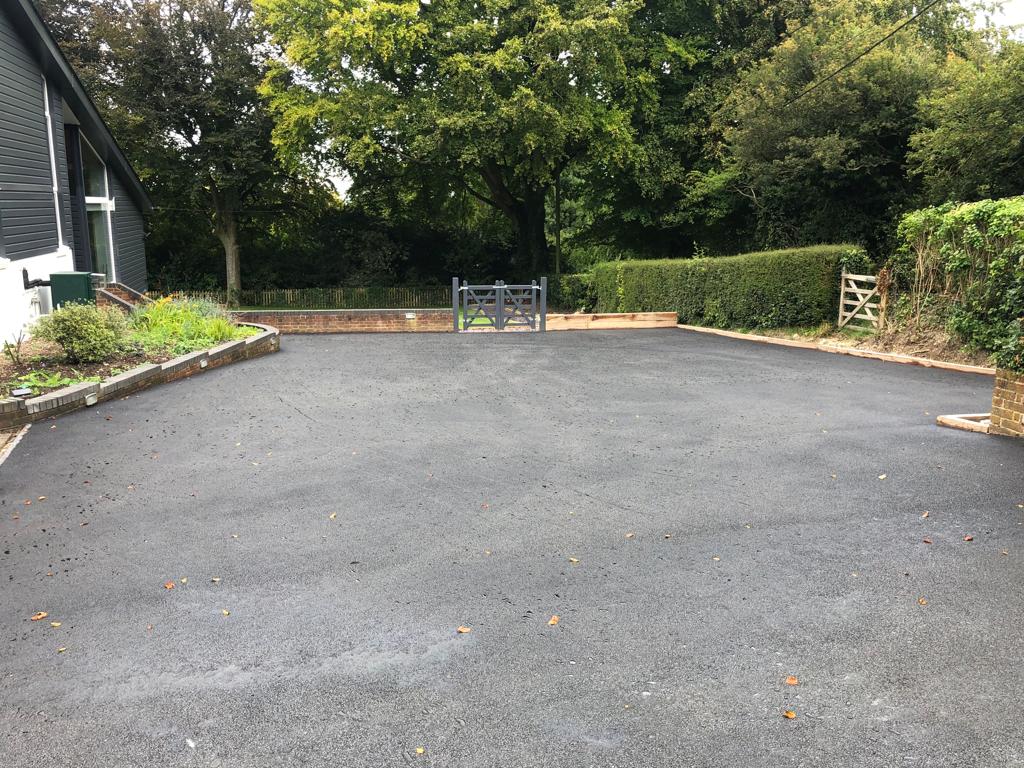
Asphalt is a durable and practical surfacing material for driveways, access roads, car parks and commercial areas. However, constant vehicle movements, changing weather conditions and natural ageing can gradually affect its appearance and performance. What begins as minor surface wear can eventually develop into cracks, potholes, uneven sections and more extensive pavement deterioration.
Recognising these problems early can make a significant difference to the condition of an existing asphalt surface. Depending on the severity of the damage, professional maintenance, targeted repairs or resurfacing may help restore its functionality without requiring complete reconstruction.
At Dubbo Road Tek, we provide professional asphalt repairs and resurfacing throughout Dubbo, NSW. Our focus is on assessing existing pavement conditions and delivering appropriate solutions that improve surface reliability, usability and long-term performance.
9 Effective Ways to Restore a Worn Asphalt Surface
1. Repair Small Cracks Before They Spread
Cracking is one of the earliest signs that an asphalt surface may require attention.
As asphalt ages, environmental exposure and repeated vehicle loading can gradually affect its flexibility. Small cracks may begin developing across the surface, particularly in areas experiencing regular traffic or movement within the supporting pavement.
Although an isolated crack may appear insignificant, it can allow rainwater to enter the pavement structure. If moisture reaches weakened underlying material, further deterioration may develop.
Professional crack repairs can help limit water penetration and reduce the likelihood of suitable minor cracks becoming larger defects.
However, not all cracking can be treated in the same way. Widespread interconnected cracks or cracking associated with settlement may indicate structural problems that require more extensive repairs.
The important step is identifying the cause and severity of the cracking before selecting an appropriate treatment.
2. Restore Damaged Areas Through Asphalt Patching
Localised damage does not necessarily mean an entire asphalt surface needs replacing.
Where potholes, broken sections or isolated areas of deterioration have developed, professional asphalt patching may provide an effective solution.
The process typically involves removing damaged material, preparing the affected section and reinstating it with suitable asphalt.
If the underlying pavement has weakened, repairs may also need to extend into the supporting layers.
Proper preparation is essential because placing new asphalt over unstable material can allow the same damage to return.
Patching is particularly useful when the surrounding pavement remains structurally sound and the deterioration is limited to specific areas.
By repairing these sections promptly, property owners can help prevent individual defects from affecting larger portions of the surface.
3. Address Potholes Before They Become More Extensive
Potholes can develop when asphalt cracks, weakens and begins breaking apart under repeated vehicle movements.
Once a small depression forms, traffic can progressively dislodge additional material, allowing the damaged area to expand.
Rainfall may accelerate this process, particularly where water collects within the pothole and affects the pavement underneath.
A professional pothole repair should address more than the visible opening.
The damaged section must be assessed to determine whether the supporting material remains stable. Where necessary, unsuitable material should be removed and the underlying pavement restored before new asphalt is installed.
Correctly repairing potholes can improve driving comfort, restore a more consistent surface and help protect the surrounding pavement from further deterioration.
4. Correct Uneven Areas and Surface Depressions
An asphalt surface should maintain a reasonably consistent profile that supports vehicle movements and allows water to drain appropriately.
Over time, certain sections may begin to sink, rut or develop noticeable depressions.
These problems can result from repeated loading, settlement, inadequate compaction or deterioration within the underlying pavement.
Simply applying additional asphalt over a depressed section may not provide a lasting solution if the foundation continues to move.
Professional assessment helps determine whether the unevenness can be corrected through localised repairs or whether deeper pavement work is required.
Restoring appropriate surface levels can improve everyday usability while reducing areas where water may collect.
For frequently used driveways, access roads and car parks, correcting uneven sections can make vehicle movements noticeably smoother.
5. Improve Drainage to Protect the Asphalt
Poor drainage is a common contributing factor in asphalt deterioration.
When water remains on the surface or enters cracks and damaged areas, it can gradually affect the pavement structure.
Moisture reaching the underlying base may reduce its ability to support repeated vehicle loads, increasing the likelihood of cracking, settlement and pothole formation.
Signs of drainage-related problems include:
- Water collecting in the same areas after rainfall
- Depressions becoming more noticeable
- Cracking around low-lying sections
- Repeated potholes in wet areas
- Deterioration along pavement edges
- Surface material breaking apart near drainage paths
Restoring an asphalt surface may involve correcting localised levels, repairing damaged areas or improving the way water moves away from the pavement.
Drainage should be considered before resurfacing, as a new asphalt layer alone cannot resolve every underlying water-related problem.
6. Repair Crumbling and Damaged Asphalt Edges
The edges of an asphalt surface can become vulnerable where they lack adequate support or experience repeated vehicle loading.
Over time, edge deterioration may appear as cracking, crumbling or sections breaking away from the main pavement.
This is particularly common where vehicles regularly travel close to the edge or where adjacent material has eroded.
If damaged edges are left untreated, deterioration may gradually extend into the trafficable surface.
Professional edge repairs can involve removing unstable asphalt, restoring suitable support and reinstating the damaged section.
Where necessary, the surrounding material may also require attention to reduce further movement.
Maintaining stable pavement edges helps preserve the overall shape and integrity of driveways, roads and access areas.
7. Restore Worn Asphalt Through Professional Resurfacing
When deterioration affects a large proportion of an asphalt surface, repeated individual repairs may no longer provide the most practical approach.
Professional asphalt resurfacing can be an effective way to renew a worn pavement when the underlying structure remains suitable for continued use.
Resurfacing generally involves preparing the existing asphalt, completing necessary repairs and installing a new asphalt layer over the serviceable pavement.
This can help address widespread surface ageing, roughness and suitable irregularities while creating a consistent new wearing surface.
Benefits of professional resurfacing may include:
- A smoother and more uniform finish
- Improved surface consistency
- Renewed protection of the underlying pavement
- Reduced loose or deteriorating surface material
- Improved usability for regular vehicle movements
- A refreshed overall appearance
However, resurfacing is not appropriate for every damaged pavement.
Significant structural cracking, severe rutting and unstable sections must be properly assessed and repaired before a new asphalt layer is applied.
8. Reconstruct Sections Where the Pavement Has Failed
Some asphalt surfaces develop problems that extend beyond the upper wearing layer.
Severe cracking, repeated potholes, deep rutting and widespread settlement can indicate that the supporting pavement is no longer providing adequate structural strength.
In these circumstances, resurfacing may temporarily conceal the damage without correcting the underlying weakness.
Reconstruction may be necessary to restore the affected sections.
The process can involve removing failed asphalt and unsuitable base material, preparing the underlying formation and rebuilding the pavement with appropriate compacted layers.
A new asphalt surface can then be installed over the restored foundation.
Importantly, reconstruction does not always need to involve the entire driveway, road or car park.
Where failure is confined to particular areas, targeted reconstruction may allow surrounding sections that remain serviceable to be retained.
The extent of the work should be determined through a proper assessment of the pavement.
9. Establish a Practical Asphalt Maintenance Routine
Restoring a worn asphalt surface is important, but maintaining its condition afterwards can help reduce the likelihood of recurring problems.
Regular inspections allow developing defects to be identified before they become more extensive.
A practical maintenance approach should include checking for:
- New or widening cracks
- Small potholes
- Loose aggregate
- Standing water
- Developing wheel ruts
- Damaged pavement edges
- Localised settlement
- Deterioration around previous repairs
Keeping drainage paths clear and arranging suitable repairs when defects first appear can help protect the pavement.
The frequency of maintenance depends on traffic levels, surface condition and the intended use of the area.
For heavily used driveways, commercial access roads and car parks, more frequent inspections may be beneficial.
Professional advice can help establish an appropriate maintenance approach based on the condition of the existing asphalt.
How Do You Know Whether Your Asphalt Needs Repairs or Resurfacing?
One of the most important decisions when restoring an asphalt surface is choosing the correct level of work.
Not every worn surface requires extensive reconstruction, but not every damaged pavement can be restored through minor repairs.
The appropriate approach generally depends on the extent of the deterioration.
Localised repairs may be suitable where potholes, cracks or damaged sections are limited and the surrounding pavement remains stable.
Asphalt resurfacing may be appropriate where surface wear is widespread but the underlying pavement retains adequate structural strength.
Reconstruction may be necessary where significant base deterioration, settlement or structural failure is present.
A professional assessment helps distinguish between these conditions and identify the work needed to restore reliable performance.
Why Does Asphalt Continue Deteriorating After Previous Repairs?
If the same problems repeatedly return, the underlying cause may not have been fully addressed.
For example, a pothole may reappear when damaged base material remains beneath a new asphalt patch.
Similarly, cracks may continue developing if movement within the pavement structure has not been corrected.
Other contributing factors can include inadequate drainage, insufficient compaction or traffic loads that exceed the pavement’s capacity.
Effective restoration requires identifying these conditions rather than simply covering the visible damage.
Professional asphalt contractors assess the surrounding pavement, supporting layers and surface profile to determine the most appropriate repair method.
This approach helps ensure that repairs address the actual source of deterioration.
Can an Older Asphalt Surface Still Be Restored?
Age alone does not determine whether an asphalt surface requires complete replacement.
An older pavement may show fading, minor cracking or general wear while retaining a stable foundation.
In these circumstances, targeted repairs or resurfacing may be suitable.
However, a newer asphalt surface can also experience serious damage if the underlying pavement becomes unstable or drainage problems develop.
The decision should therefore be based on the condition of the pavement rather than its age alone.
Professional assessment helps determine whether the existing structure can be retained and what work is needed to restore the surface.
Why Professional Asphalt Restoration Matters
Restoring asphalt involves more than improving its appearance.
The performance of the finished surface depends on correctly identifying damaged areas, preparing the pavement and selecting appropriate repair methods.
Professional workmanship is particularly important when addressing structural defects, drainage problems and areas affected by repeated vehicle loading.
Proper preparation, suitable materials and effective compaction all contribute to the reliability of asphalt repairs and resurfacing.
At Dubbo Road Tek, we focus on practical solutions that address existing pavement conditions and help restore surfaces to a suitable standard for their intended use.
Professional Asphalt Repairs and Resurfacing in Dubbo, NSW
Whether an asphalt surface has developed minor cracks, isolated potholes or widespread deterioration, selecting the appropriate restoration method is essential.
Dubbo Road Tek provides professional asphalt repairs and resurfacing throughout Dubbo, NSW.
We assess the condition of existing driveways, access roads, car parks and other asphalt surfaces before recommending suitable repairs or resurfacing work.
Our approach considers the extent of surface wear, pavement stability, drainage and expected vehicle movements.
By focusing on thorough preparation and appropriate repair methods, we aim to deliver reliable asphalt surfaces that remain practical for everyday use.
Conclusion
A worn asphalt surface does not automatically need complete replacement. Many common problems can be addressed through professional repairs, targeted patching, drainage improvements or resurfacing, depending on the condition of the pavement.
The nine restoration methods outlined above demonstrate why identifying the type and cause of deterioration is so important. Minor cracks and isolated potholes may require relatively focused repairs, while widespread surface wear can sometimes be corrected through resurfacing. Where the underlying pavement has failed, reconstruction may be necessary to provide adequate structural support.
Addressing problems at the appropriate stage can help preserve serviceable pavement, improve driving comfort and maintain a consistent surface for regular use.
If your driveway, access road, car park or commercial asphalt surface in Dubbo, NSW is showing signs of wear, contact Dubbo Road Tek. Our team can assess the existing pavement and recommend the most suitable asphalt repair or resurfacing solution to restore its condition and performance.
Call us on: 02 5839 3400
Click here to find out more about Dubbo Road Tek
Click here to complete our contact form and see how we can help with your Asphalt and Bitumen Surfacing needs.